For more than 75 years, Shrader Tire & Oil has been a trusted Michelin retread plant location serving commercial fleets across Ohio, Michigan, and Indiana. This month, that commitment earned a formal recognition — Michelin honored Shrader Tire & Oil for 20 years as a Michelin Retread Technologies Partner.
It’s not an award handed out broadly. It reflects two decades of sustained performance, quality standards, and a working relationship that both companies have invested in.
What This Means for Your Fleet
Being a certified Michelin retread plant location means one thing for your fleet: access to retreads built to Michelin’s standards — not a generic alternative.
Shrader Tire & Oil operates two Michelin retread plant locations — Pemberville, Ohio and Melvindale, Michigan — serving commercial fleets across Ohio, Michigan, Indiana, and beyond. That translates directly to lower per-mile tire costs without sacrificing safety or tread life. Fourteen locations. Mobile service. A team that’s been at this since 1948. One call, it’s done.
In Jim’s Words
“My father started this company with a handshake and a promise to take care of people. I’d like to think this award is proof we’ve kept that promise.”
What Makes a Michelin Retread Worth Running
Not all retreads are created equal — and that’s the point.
Michelin Retread Technologies uses a standardized 9-step process across every franchise plant, including both of ours. Every tire goes through initial inspection, computer-automated buffing, casing integrity analysis, X-ray, repair, tread building, double-enveloping, curing, and a final inspection before it leaves the plant. No shortcuts. No guesswork.
The result: Michelin retreads last 90% as long as a new tire at 50% the cost.* For a fleet running dozens of tires, that math adds up fast.
Fuel economy holds up too. Michelin retreads are engineered to deliver similar fuel efficiency to new tires — a factor that matters when diesel costs are eating into your margins.
There’s also an environmental case. Retreading a single casing reduces resources required by 66%, with significant reductions in oil, water, energy, and emissions compared to manufacturing a new tire. If your fleet has sustainability reporting requirements, a retread program is a straightforward win.
*Based on field data compiled by Michelin representatives and internal testing.
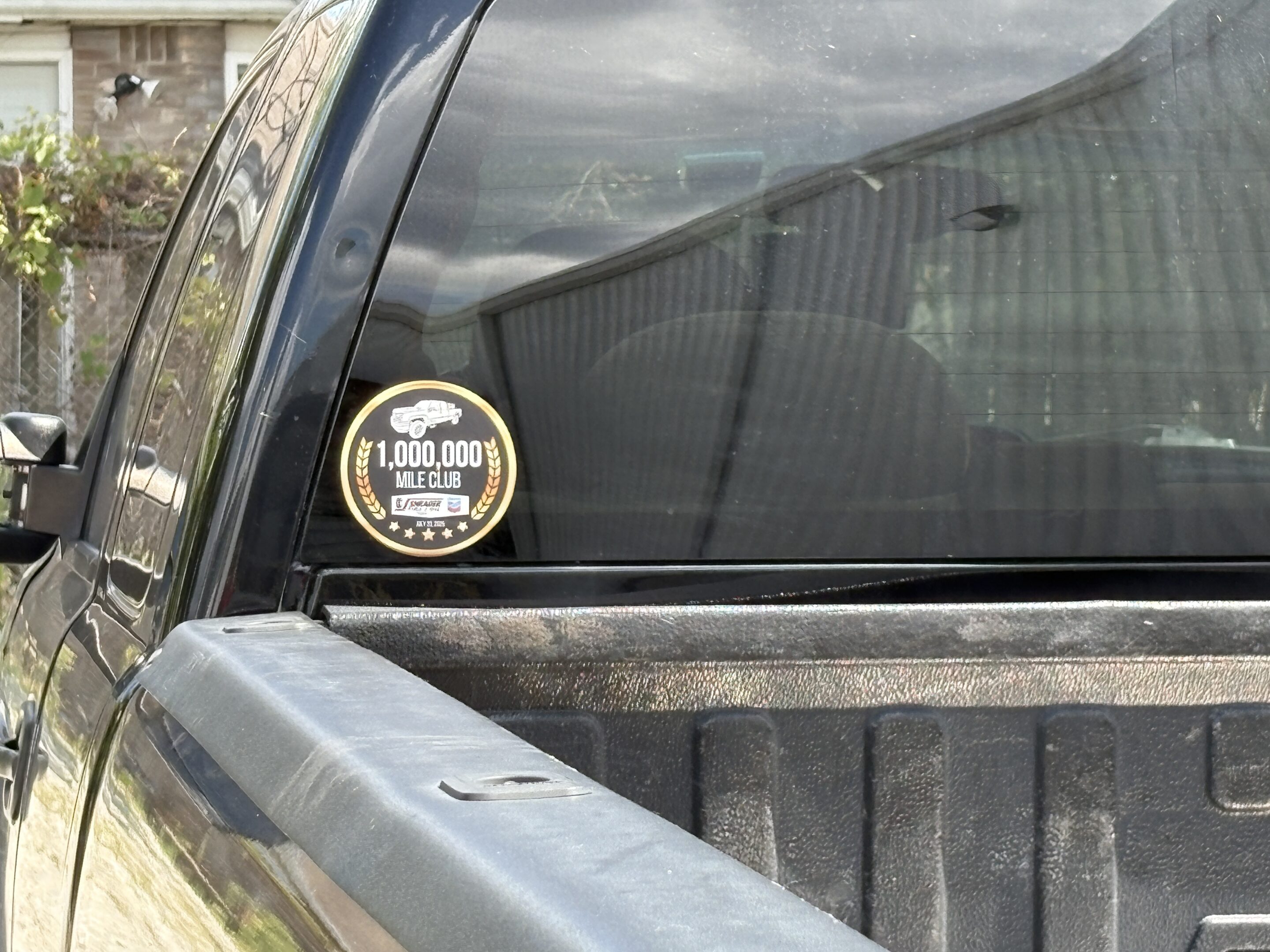
Update — June 2026: Chevrolet featured Jim and his million-mile Silverado at CMA Fest in Nashville as part of their national owner storytelling campaign.
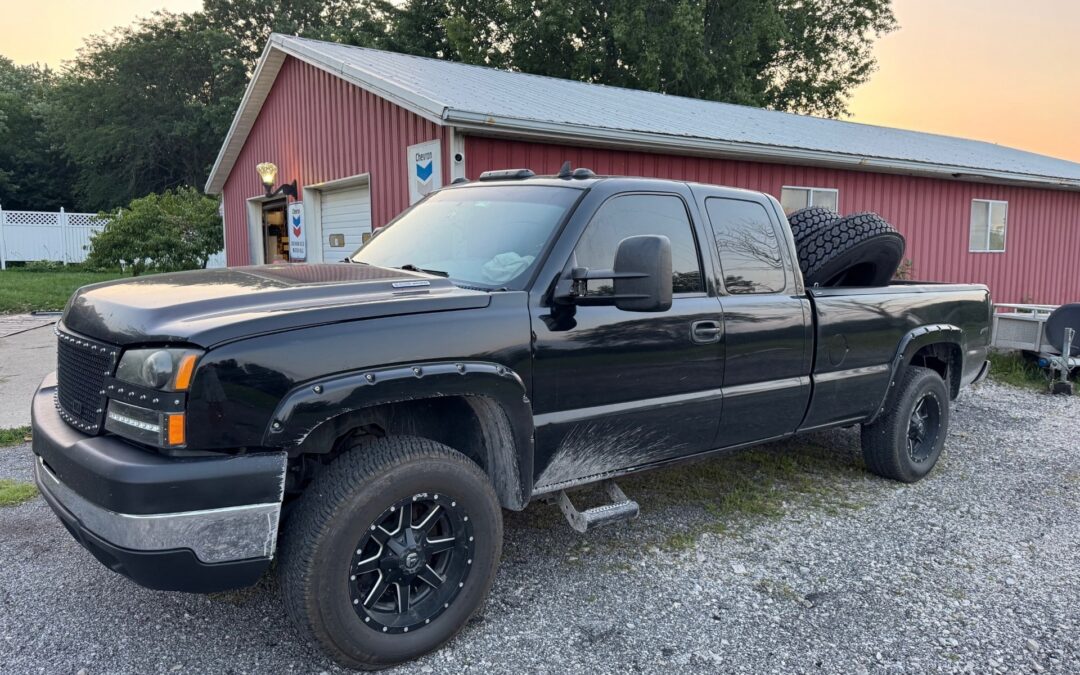
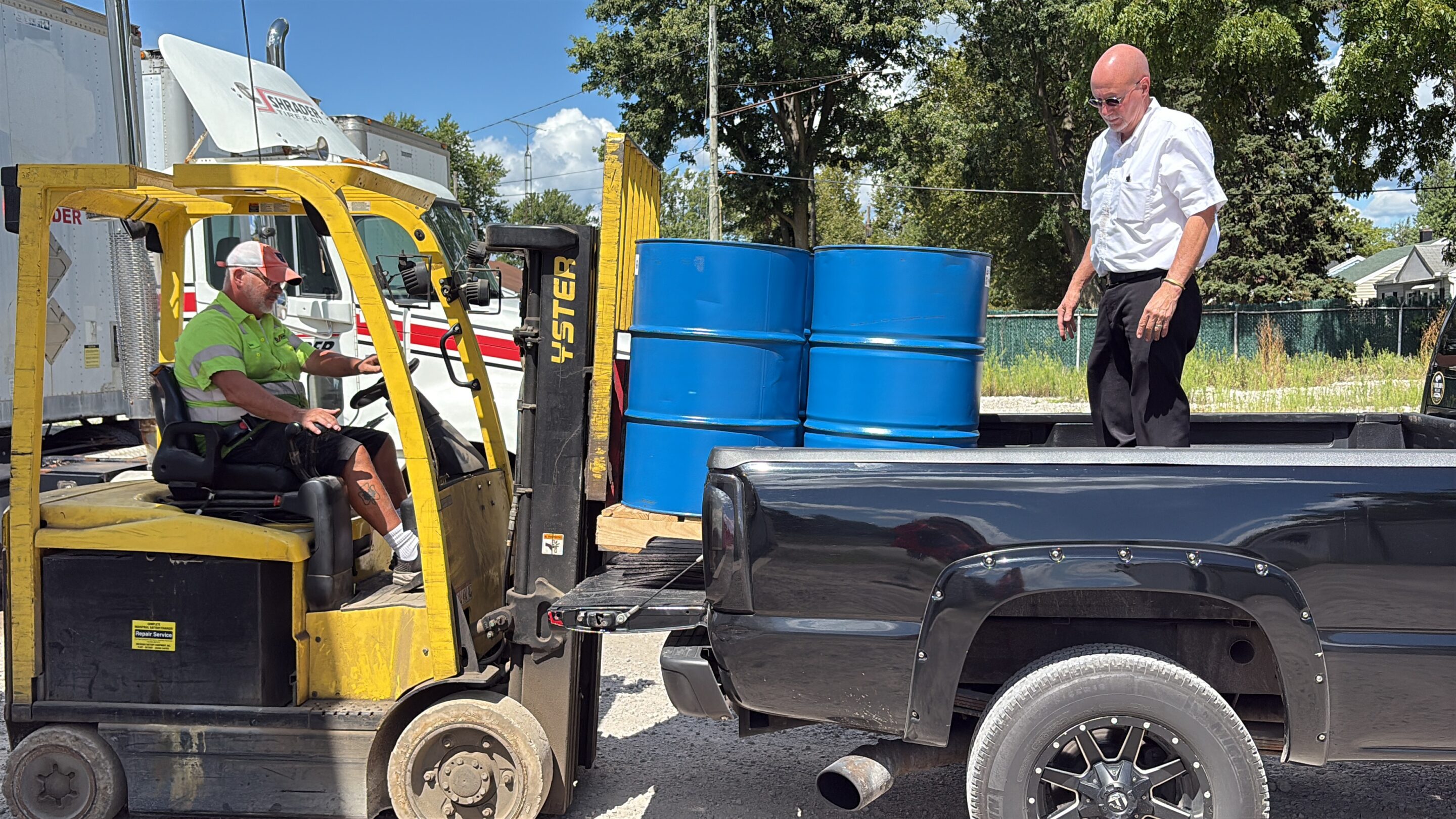
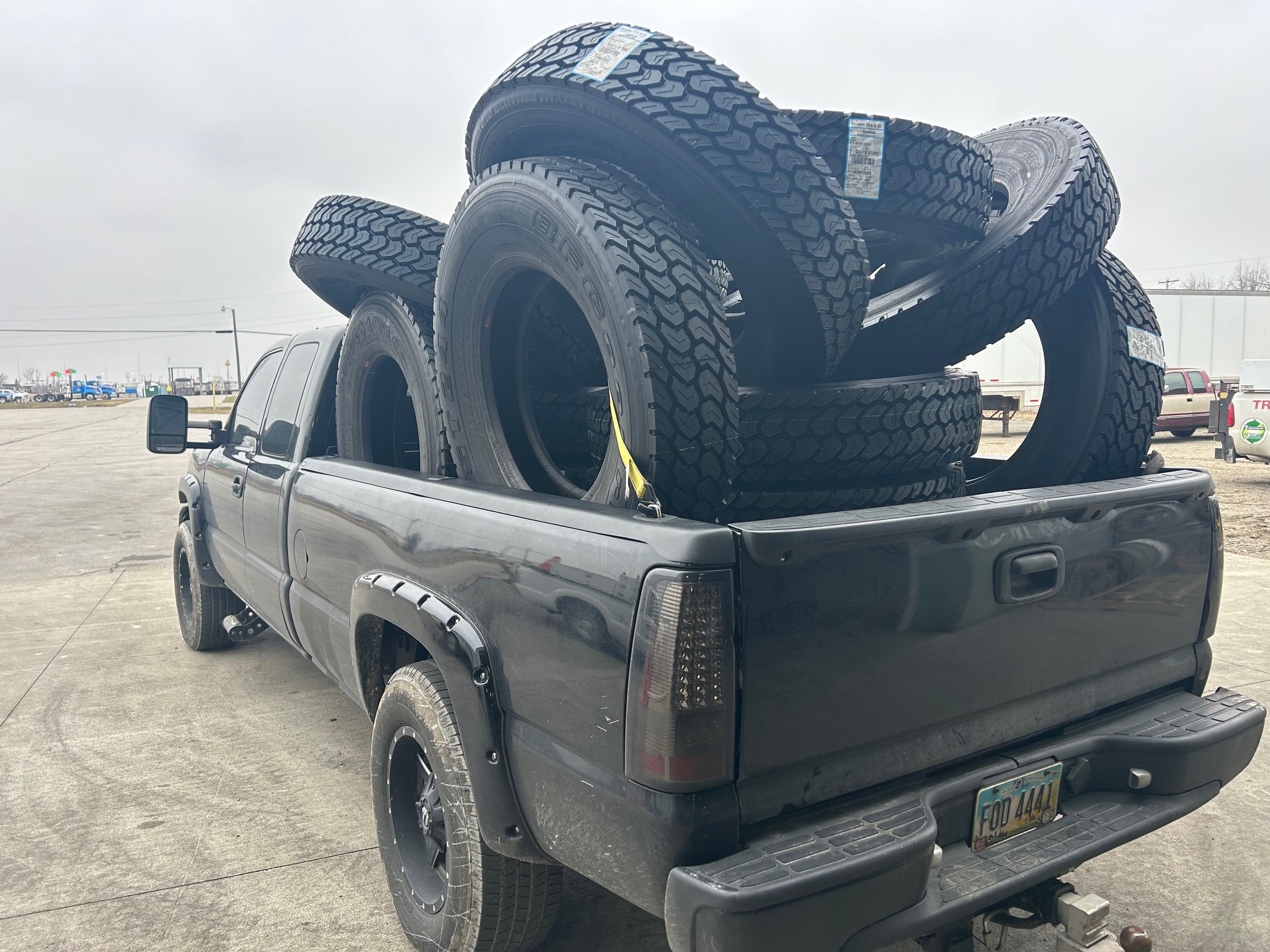
Million-mile truck maintenance is rare — but for Jim Muncy and his 2007 Chevy Silverado, it’s the result of decades of consistency, the right products, and a little TLC. And for this 2007 Chevy Silverado with a Duramax diesel engine, that story is inseparable from Jim Muncy, Shrader Tire & Oil’s longest-serving sales rep, who has been part of the STO family for more than 38 years.
Jim has spent decades building relationships, understanding fleets, and making sure every truck he touches gets the care it needs. For this diesel truck, that meant regular services, tire rotations, and one crucial ingredient: Chevron Lubricants.
The Secret behind the Million Miles
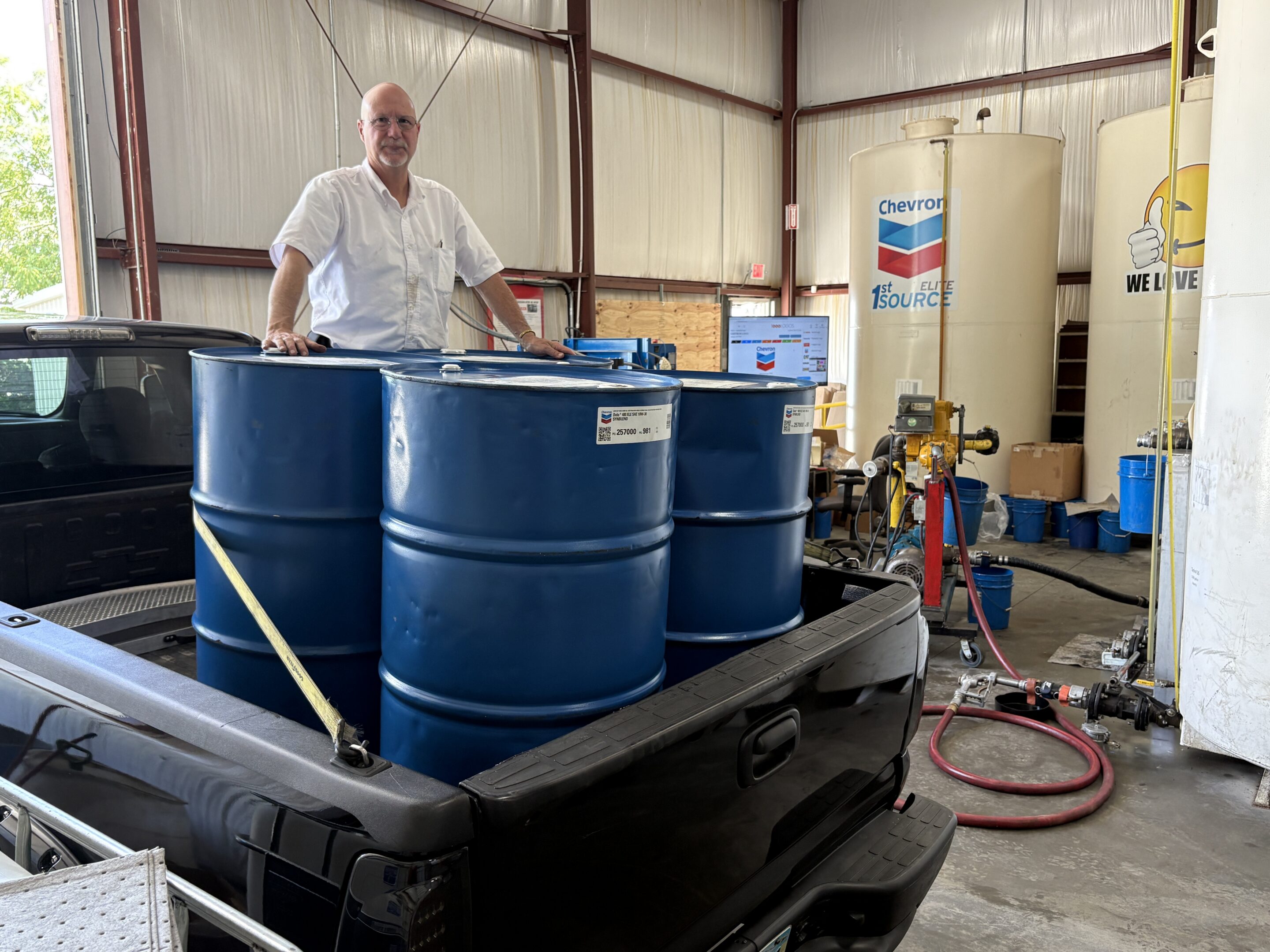
This truck has been on tens of thousands of sales calls and in every kind of weather you can imagine. But with Jim’s expertise, careful guidance, and a commitment to quality, it’s still rolling strong. Add in the right products — like Chevron’s Delo 400 XLE, 10W30 Syn Blend — and you get a truck that keeps going, mile after mile
“It’s about having good preventative maintenance practices, with oil sampling and using premium products like Chevron lubricants and Michelin Tires that has made it possible for this truck to surpass 1 Million Miles.”
-Jim Muncy
Sales Rep,Shrader Tire & Oil
A Legacy of Care
At Shrader Tire & Oil, commercial truck maintenance across Ohio is more than a service — it’s a relationship.. We take pride in seeing trucks like this one hit milestones few can imagine. And we celebrate the people — like Jim — who make it happen.
This million-mile journey isn’t just a testament to a truck or a product. It’s a story of experience, dedication, and the human touch that keeps the transportation industry moving.
Ready to Go the Distance?
Want your fleet to go the extra mile — or the extra million? Contact the Shrader Tire & Oil team today and see what the right products and expertise can do.
Chevrolet PR featured Jim at CMA Fest in Nashville as part of their real-owner storytelling campaign. A Toledo sales rep, a million-mile truck, and a national stage.
At Shrader Tire & Oil, we understand the critical role that school bus fleet maintenance plays in ensuring student safety and reliable transportation. Our expert team specializes in providing high-quality school bus tires, thorough DOT inspections for school buses, and comprehensive preventative maintenance services to keep your fleet running smoothly and compliant with all safety standards.
Premium School Bus Tires for Safety and Performance
Selecting the right school bus tires is essential to maintaining traction, safety, and longevity on the road. Whether you need brand-new tires or cost-effective retread tires for school buses, we offer trusted brands and expert recommendations tailored to your fleet’s needs.
DOT Inspections for School Buses — Stay Compliant
Passing a DOT inspection is mandatory for all school buses. Our ASE-certified technicians perform detailed DOT inspections for school buses, identifying potential issues before they become safety concerns or regulatory problems. Trust Shrader Tire & Oil to keep your fleet compliant and ready for the road.
Preventative Maintenance Services to Avoid Downtime
Regular preventative maintenance is the best way to extend the life of your school buses and avoid unexpected breakdowns. Our maintenance programs include brake inspections, fluid checks, tire rotations, and more — all designed specifically for school transportation maintenance needs.
Why Choose Shrader Tire & Oil for Your School Bus Fleet?
14 convenient service locations to support your entire fleet
Experienced, ASE-certified technicians specializing in school bus maintenance
Fast, reliable service to minimize downtime and keep your buses on schedule
Trusted by school districts and municipalities since 1948
Ready to keep your school bus fleet safe, compliant, and reliable? Contact Shrader Tire & Oil today to schedule your next service or request a quote.
Big things are rolling your way in Ypsilanti! Shrader Tire & Oil is excited to announce that a brand-new location is coming soon to Bestech Drive—just under a mile from our current site on Morgan Road.
While we’re not open just yet, our team is hard at work getting everything ready to better serve you and your fleet.
🛠️ Mechanical Services Coming to Ypsi
One of the biggest upgrades? Our new Ypsilanti location will offer mechanical services in addition to our trusted tire and fleet maintenance work. That means:
Preventative Maintenance
Alignments
DOT Inspections
And more—delivered by the expert team you already know and trust
🚚 Designed for Efficiency
This new facility will include four drive-thru bays, built with busy fleet customers in mind. Faster service, more convenience, and the same commitment to quality and safety you’ve come to expect from Shrader.
🎥 Watch the Sign Go Up
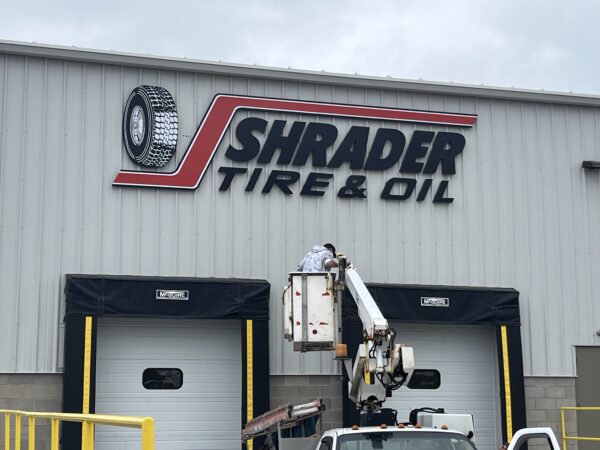
We’re documenting the journey as we prepare to open. Check out this time-lapse video of our new sign being installed on Bestech Drive: 📽️ Watch on YouTube
📅 Need Service Now? We’ve Got You Covered
While our new shop on Bestech Drive is still under construction, our current Ypsilanti location on Morgan Road is open and fully operational. You can still count on us for tire services, fleet maintenance, and more—just like always.
Stay tuned for updates on the grand opening of our new location, and thank you for being part of the Shrader family as we grow to serve you even better!
TOLEDO, Ohio – Tire industry veteran Bob Feldbauer has been named Chief Operating Officer at Shrader Tire & Oil. He will assume the role on January 1, 2025.
“
We are excited to announce this new position at Shrader Tire & Oil,” said Joe Shrader, President and Chief Executive Officer of Shrader Tire & Oil. “Bob brings a wealth of knowledge from both the manufacturing and dealer perspectives. I am confident he will help us accelerate our growth plans.”
Feldbauer is leaving his position as President and CEO of Jack’s Tire & Oil Management Co., Inc. where he oversaw a 250 percent revenue growth and expanded Jack’s footprint of service throughout 11 western states. Prior to his role at Jack’s, he spent 14 years at Michelin North America in various positions of sales, training, management, and leadership. He ended his time at Michelin as the Director of Commercial Business for the Central Zone.
“I am thrilled to be joining a great, legacy family business that prides itself on operational excellence with both skilled and dedicated employees,” Feldbauer said. “The company’s leadership vision for growth looks to provide many opportunities for Shrader Tire & Oil’s future and I look forward to being a part of it.”
Feldbauer served on the Independent Tire Dealer Group Board of Directors and was a member of the Michelin Dealer Advisory Council. He earned his undergraduate degree and MBA from Charleston Southern University in Charleston, S.C. in 1995 and 1997 respectively. He and his wife, Heather, have two children, Jackson and Kelan. They have relocated to the Toledo area.
Shrader Tire & Oil has become the premier tire and lubricant distributor in the Midwest. The company was founded in 1948 in Toledo, Ohio, and now operates 14 fleet stores, four bulk oil warehouses and two Michelin retread manufacturing plants that service Michigan, Ohio and Indiana. Offering the best in fleet services, bulk oil and lubricants and 24-Hour emergency roadside tire service, Shrader Tire & Ohio has earned its reputation of honesty and integrity in the industry.
An engine coolant and an antifreeze are the same thing. It’s the one fluid that stays in a truck’s system through all seasons, protecting the engine from overheating in hot weather and from freezing up when the temperature drops. Maybe that’s why many operators don’t give it a lot of thought beyond the onset of summer or winter. Yet as we pointed out in a previous article, the coolant system requires more than just a seasonal check. A problem with the coolant system can spread to other parts of the vehicle and lead to costly downtime, which is why an inspection should be a regular part of your preventive maintenance program.
Start with a Visual Assessment
You can tell a lot about the coolant system simply from a visual assessment just by looking at it. Start by checking for leaks from loose hoses, clamps, and the radiator cap. It’s considered best practice to pressure check the system using a readily available pressure tester. If a change in pressure appears during the test, that may be an indicator of a leak in the system.
Make sure that the coolant is at the fill line in the sump. If the level of fluid is below the fill line, you are definitely losing coolant, and the only question is how. If the coolant system is not holding its pressure, you are most likely boiling off water. A coolant is typically a 50/50 or 60/40 mix of glycol and water (depending on the regional climate), and losing water will upset that balance. If you see streaming trails on the outside of the radiator cap, that is an easy way to tell if water is boiling off.
A visual inspection should include an assessment of the fluid itself. The dye in the coolant tends to leach into the plastic of the sump and impede clear visibility, so it is best to open up the radiator cap and look down into the fluid. The color of the coolant is simply a dye and serves no technical purpose. However, if you see brown in the fluid, that could mean rust is present, or that two different coolant types have been mixed. In either case, the system needs to be flushed and drained, and fresh coolant put in. If oil has entered the coolants system, it will be plainly visible as a layer on top of the fluid. Oil in the coolant is a bad sign. It usually means there is coolant in the oil system, too, in which case both the coolant and the oil will need to be completely flushed.
Find a Leak on the Road? Just Add Water
Sometimes a driver may discover a leak on the road. When that happens, there are any number of off-the shelf products you can pour into the system that purport to help stop the leak. However, we don’t recommend that for two reasons: you’re not really fixing the leak at its root cause, and you’re introducing a foreign additive that is going to cause an imbalance in the fluid.
A better (and cheaper) temporary solution is simply to top off the system with water. You may diminish the protection properties of the coolant to a small degree, but it is better than bringing in another chemical, and it should buy you enough time to get to your maintenance shop and get the system fixed.
The important thing is not to mix coolant types. Coolants come in a variety of formulations, whether conventional, fully formulated, hybrid, or a full extended life coolant. If you’re not certain which type you’re using, topping it off with water temporarily is your best quick-fix option. Use bottled water or distilled water – don’t use water from a tap or a hose, which likely has impurities in it.
Keep your Water and Glycol in Balance
One essential tool in your coolant maintenance kit is a refractometer. That is what professional labs use to check the balance of glycol and water and find the freeze point. It is very easy to use and readily available on Amazon or from your lubricant supplier. The reading on the refractometer will help you determine if you need to adjust the water or glycol concentration levels to achieve the appropriate freeze and boiling points for your operating environment and conditions.
Chevron offers a full line of coolants for heavy duty vehicles, both on- and off-highway, as well as our handy Cool Tools Maintenance Kit that includes a refractometer, test strips, sampling tools and more. We also have coolant experts on hand to answer any questions you may have. Remember, a small investment in time and the right tools can save you on costly repairs and downtime in the future.
Keep an eye on your coolant all year ‘round!
Walt M. Collier is the Americas Brand Manager for Delo Engine oils and ancillary products. In this role, Walt oversees the development, deployment, and manages Chevron Delo brand of commercial lubricants products for the Americas. Prior to this role Walt was a Sr. Business Development Specialist working to grow Chevron’s Renewable Fuels business focusing on CNG for transportation fuel and Renewable Natural Gas. He joined the company in 2019 as an experienced hire working as a Business Development Specialist in our Direct Commercial lubricants group focusing on heavy duty engines in fleets, inland/coastal marine, and OEM dealers for North America.