

Winter Fleet Maintenance Checklist: 5 Must-Do Steps
Updated September 2026 | By Shrader Tire & Oil, serving Midwest fleets since 1948
What should a winter fleet maintenance checklist include? At minimum: anti-gel fuel treatment and fresh filters, tire pressure and tread checks, coolant freeze-protection testing, battery and air system inspection, and a winter emergency kit in every cab. Complete these before temperatures drop below freezing.
Winter doesn’t wreck a fleet in one big moment. It’s a gelled fuel filter on Monday, a dead battery on Tuesday, and a late load by Wednesday. Most of it is preventable. Use this winter fleet maintenance checklist to get ahead of it
In this post:
1. How Do You Keep Diesel Fuel From Gelling?
Add anti-gel (cold-flow) additive before the cold snap. Diesel starts to cloud and wax as temperatures fall, which clogs filters and starves the engine. Once fuel has gelled, additive won’t reverse it.
- Treat fuel in every truck that sits overnight in a cold yard
- Replace fuel filters
- Drain water from fuel/water separators and bulk tanks
2. How Often Should You Check Tire Pressure in Winter?
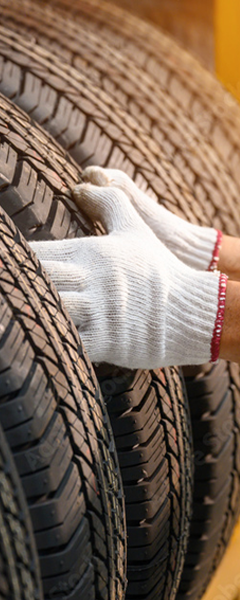
Weekly at minimum, daily on very cold mornings if possible. Tire pressure drops about 1 PSI for every 10°F drop in temperature, so pressure set in October is low by January. Under-inflation hurts traction, speeds up uneven wear, and raises blowout risk.
- Check pressure cold, before the truck runs
- Inspect tread depth on steer and drive positions
- Look for cuts, sidewall damage, and dry rot
- Confirm drive tires are suited for snow and ice traction, not just highway miles
3. What Coolant and Fluids Do You Need for Winter?
Test coolant freeze protection and switch to winter-rated washer fluid.Then run through the full winter fleet maintenance checklist below
| Fluid | Winter Check |
|---|---|
| Coolant | Test freeze protection; 50/50 is the common standard |
| Washer fluid | Use winter-rated solvent; summer blends freeze in lines and on glass |
| DEF | Freezes at about 12°F. Usable once thawed, so keep it sealed and clean |
| Engine oil | Confirm the viscosity grade matches your OEM cold-weather recommendation |
4. How Do You Winterize Batteries and Air Brakes?
Cold cuts battery output while the engine needs more power to start. Load-test every battery and clean corrosion from terminals. Moisture in air lines can freeze and affect braking, so confirm air dryers are working and drain air tanks on schedule. Check lights, wipers, and defrosters too.
5. What Should Be in a Winter Truck Emergency Kit?
Every cab should carry:
- Tire chains or traction devices (and a driver who knows how to install them)
- Ice scraper, snow brush, and shovel
- Flashlight, gloves, blanket, and extra warm clothing
- Reflective triangles or flares
- Charged phone and a backup way to reach dispatch
Remind drivers to lengthen following distances, reduce speed, and check for ice on lights, mirrors, and sensors during pre-trip inspections.
Winter Fleet Maintenance Checklist (Printable)
- Anti-gel additive added; fuel filters changed
- Water drained from separators and tanks
- Tire pressure checked; tread depth inspected
- Coolant tested for freeze protection
- Winter washer fluid filled
- DEF stored sealed and protected
- Batteries load-tested; terminals cleaned
- Air dryers working; air tanks drained
- Lights, wipers, defrosters working
- Chains and emergency kits in every truck
- Drivers briefed on winter procedures
Get the Printable Checklist
One-page winter fleet maintenance checklist, built for the shop wall. Enter your info and we’ll send it right over.
- 11-point winter inspection
- Space for unit, date, and inspector
- Free, no catalog required
Winter Fleet Maintenance FAQ
When should you add anti-gel to diesel?
Before temperatures approach the fuel’s cloud point, typically at the first forecast of freezing weather. Treating early prevents filter clogging. Additive can’t fix fuel that has already gelled.
At what temperature does DEF freeze?
About 12°F (-11°C). Frozen DEF isn’t damaged and works normally once thawed, but store it sealed and protected from contamination.
How much does tire pressure drop in cold weather?
Roughly 1 PSI per 10°F drop in ambient temperature. Check pressure cold and adjust to the manufacturer’s recommended PSI.
What is the right coolant mix for winter?
A 50/50 coolant-to-water mix is the common standard, but test actual freeze protection with a refractometer or test strips rather than assuming.
Get Your Fleet Winter-Ready
Our Winter Essentials catalog covers the supplies on your winter fleet maintenance checklist: coolant, washer solvent, fuel additives, and more.